So you may not be remotely interested in your pelvis. Completely fair. But the pelvis is actually one of the most fascinating, clever, adaptable parts of the birthing body. And understanding a tiny bit about how pelvic anatomy works can massively change how you approach labour and delivery. Not in a scary, anatomy-textbook way. More …

So you may not be remotely interested in your pelvis. Completely fair.
But the pelvis is actually one of the most fascinating, clever, adaptable parts of the birthing body. And understanding a tiny bit about how pelvic anatomy works can massively change how you approach labour and delivery. Not in a scary, anatomy-textbook way. More in a “ohhhh, my body knows what it’s doing and I can help it along” way.
As a birth doula working across East London and someone who is a bit of a pelvis nerd, I spend a lot of time helping people use optimal fetal positioning and movement to support how their baby navigates through the pelvis during labour. This is called Birth Biomechanics London — which sounds very science lab, but actually just means how baby and pelvis work together during birth.
So let’s break it down in a way that feels useful, reassuring and hopefully a little bit interesting for your birth preparation.
Your Pelvis Is Not a Fixed Tunnel
One of the biggest myths about birth is that baby just sort of plummets down through a straight tube like they’re exiting a water slide.
Nope.
Your pelvis is more like a beautifully designed, slightly twisty, adjustable passageway. It has different levels, and each level has slightly different shapes and dimensions. Baby doesn’t just move down — they rotate, wiggle, and adapt as they travel through.
Also — and this is important — your pelvis is not rigid. During pregnancy and labour, hormones like relaxin soften the ligaments, which allows tiny movements between the pelvic bones. These biomechanical movements can make a huge difference to the space available for baby.
Your body isn’t working against birth. It is literally built to collaborate with it.
Meet the Three Levels of the Pelvis (Don’t Worry, This Isn’t a Biology Exam)
I promise to keep this friendly. Understanding these levels is key to active birth strategies.
1. The Pelvic Inlet (The Entrance)
This is where baby first settles into the pelvis. The inlet is generally widest when your pelvis is slightly tilted forward. Active birth positions that help here include:
- Standing and Walking
- Lunging
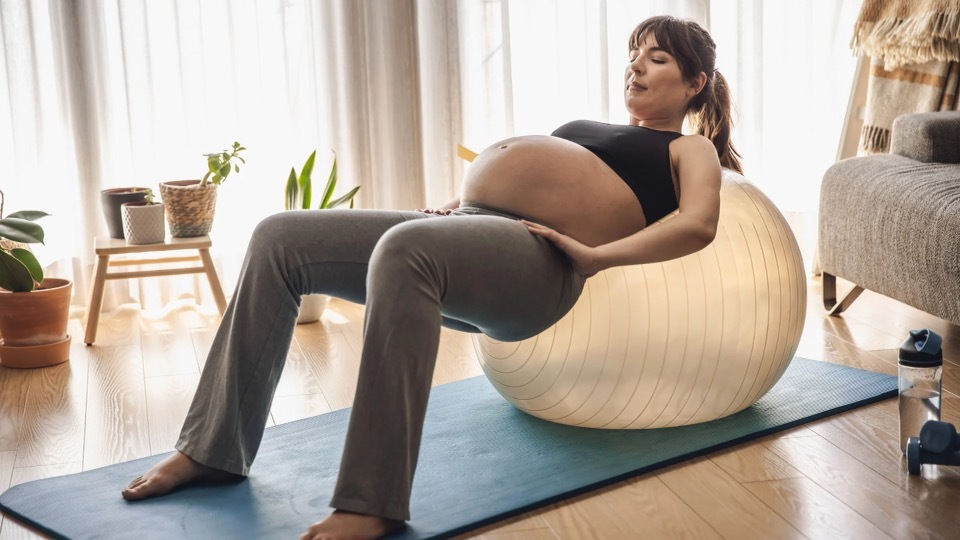
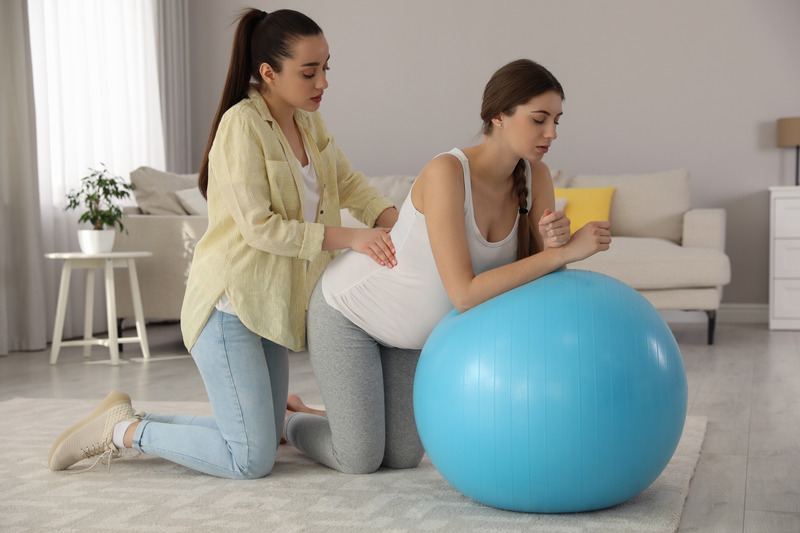
- Leaning forward over a sofa or birth ball
- Slow dancing with your partner (which is genuinely excellent prenatal exercise)
These positions can help baby engage and line themselves up well.
2. The Mid Pelvis (The Narrow Bit)
This is usually the snuggest part. It’s also where babies often rotate. This is why labour can sometimes feel intense or stall slightly here — baby is doing some serious navigation work.
Movements that help here often involve asymmetry, meaning one hip doing something different from the other:
- Side-lying with one leg supported
- Stair climbing or curb walking
- Birth ball circles
- Swaying or figure-of-eight hip movements
This is where I often become mildly obsessed with helping clients move in labour. Tiny changes in hip mobility can create surprisingly big shifts for baby.
3. The Pelvic Outlet (The Exit)
This is the part most people imagine when they think about pushing and birthing. The outlet actually widens when the tailbone (sacrum) has room to move backwards. This is why lying flat on your back can reduce space (it tucks the tailbone inwards).
Positions that often help open the pelvic outlet include:
- Kneeling or All-fours
- Knees in, toes out (The “Internal Pelvic Rotation” trick)
- Squatting (with support)
- Forward leaning over the bed or birth pool edge
Why Movement in Labour Is Not Just a Nice Idea
Sometimes people think changing positions in labour is just about comfort. And yes, comfort matters enormously. But there’s also real physiology of birth behind it. We want comfort AND progress.
Movement can:
- Help baby rotate into an optimal fetal position.
- Increase space within different parts of the pelvis.
- Encourage effective contractions.
- Reduce the chance of labour stalling.
- Sometimes reduce the likelihood of assisted birth (forceps or ventouse).
I often describe labour like trying to manoeuvre a sofa through a narrow doorway. You don’t just shove harder and hope for the best. You PIVOT! (Think Ross from Friends).
What This Looks Like With Me as Your London Doula
This is where Birth Biomechanics London becomes very practical. During labour, I’m constantly watching subtle things:
- Is baby descending smoothly?
- Are contractions building but progress feels “sticky”?
- Is your body naturally asking to move in a certain way?
Sometimes it’s big changes. Sometimes it’s tiny tweaks like adjusting how your foot is placed or encouraging a gentle hip shake during surges. I’ll often suggest positions using rebozo techniques, massage, or supported rests that still keep the pelvis open.
But What If I Have an Epidural?
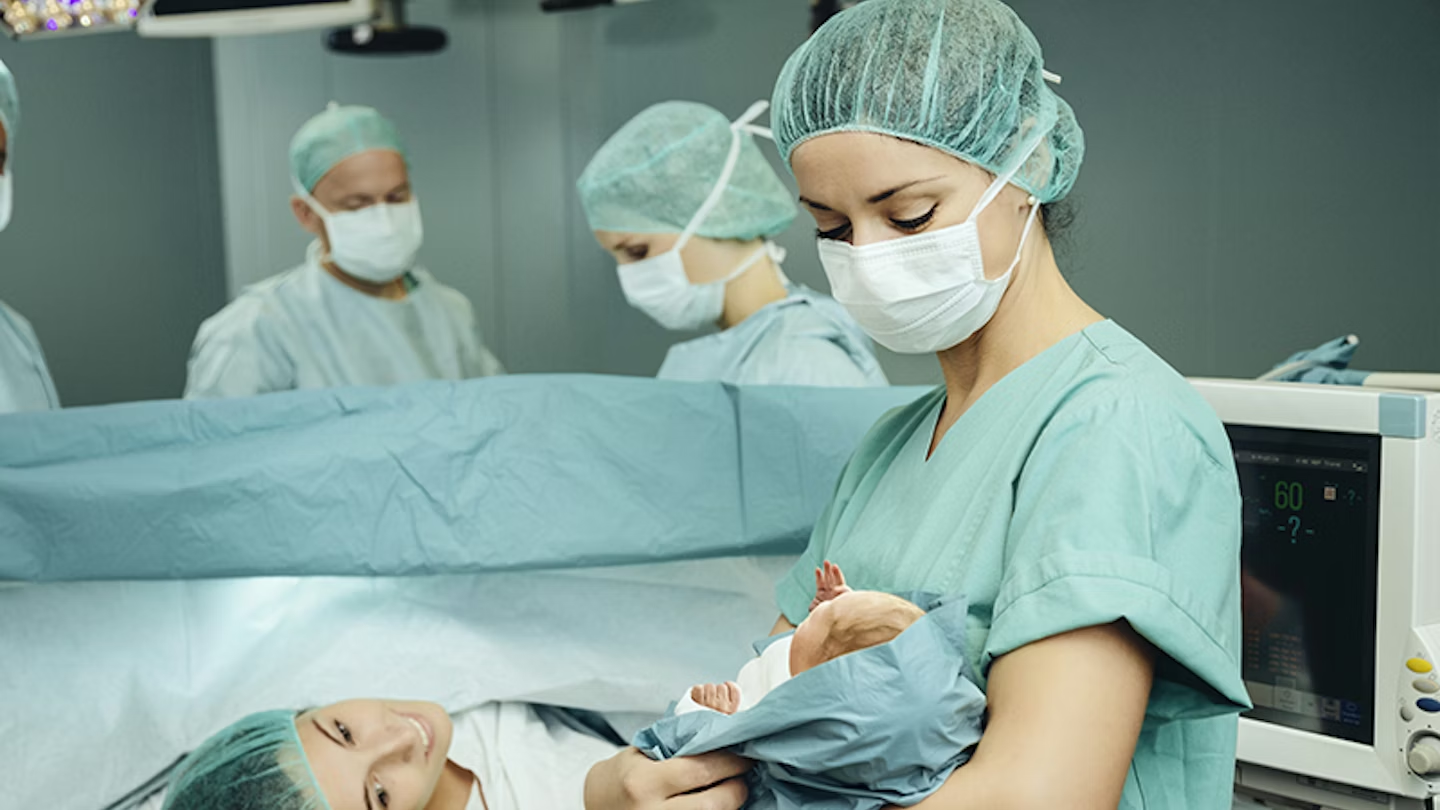
Such a good and important question. Birth Biomechanics London absolutely still applies if you have an epidural or are giving birth in theatre.
With epidurals, we can use supported side-lying, peanut balls, and gentle position changes to help baby continue rotating and descending. There’s loads of brilliant evidence showing that upright positions and movement with epidurals can support labour progress.
The Nervous System Piece (My Favourite Bit)
Your pelvis is influenced not just by bones and muscles, but by your fascia and nervous system.
When you feel safe, supported, and unobserved, your body releases oxytocin more easily. Oxytocin supports contractions. Endorphins support pain coping. When you feel frightened, adrenaline can make muscles tighten — including the pelvic floor — which can sometimes make labour feel harder.
This is why your birth environment matters. It’s not fluffy; it’s physiology.
Final Thought From Your Local Hackney Pelvis Enthusiast
Your body is not a passive container that birth happens to. It is an active, intelligent, responsive system.
If you’re giving birth in East London — whether that’s Homerton Hospital london, the Royal London, Whipps Cross, UCLH, or your living room — these principles travel with you.
If you want support preparing your body for birth, learning movement strategies, or having a doula in London who is quietly pelvis-geeking in your corner, that is very much my thing.